
If you are running a sales team in the UK and still relying on spreadsheets to predict next quarter’s revenue, you are playing a dangerous game.
Cash flow pressure. Unpredictable pipelines. Board-level scrutiny. Investor reporting. HMRC compliance. Every missed forecast costs credibility.
That is exactly why sales forecasting tools have become mission-critical for UK businesses in 2026.
According to the UK Office for National Statistics, business insolvencies rose by over 14 percent year-on-year in 2026, with poor cash flow planning cited as a major contributor. Meanwhile, Gartner reports that organisations using advanced sales forecasting software see forecast accuracy improve by up to 20 percent.
We researched dozens of sales forecasting tools used across the UK, from SaaS start-ups in London to manufacturing firms in Birmingham and enterprise teams in Manchester. Below, you will find the 20 best sales forecasting tools in the UK for finance teams, revenue operations leaders, B2B sales directors, and scaling SMEs.
If accurate revenue forecasting, pipeline visibility, and predictable growth matter to you, read carefully.
What Is Sales Forecasting Software and Why UK Businesses Need It
Sales forecasting software is a specialised platform that predicts future revenue based on historical data, pipeline activity, CRM inputs, and market trends.
For UK businesses, accurate sales forecasting supports:
- Cash flow forecasting
- Revenue forecasting
- Pipeline management
- Budget planning
- Sales performance management
- Investor reporting
- Quarterly board updates
Unlike basic CRM dashboards, modern sales forecasting tools in the UK use predictive analytics, AI-driven modelling, and weighted pipeline analysis to produce far more reliable projections.
For finance directors across the UK, this means:
- Better working capital planning
- Reduced revenue volatility
- Clearer hiring decisions
- More accurate commission modelling
In short, strong sales forecasting tools give UK leadership teams clarity.
Quick Comparison Table: Top Sales Forecasting Tools in the UK
When comparing sales forecasting tools in the UK, decision-makers usually care about:
- CRM integration capability
- Forecast accuracy
- Pricing transparency
- Enterprise readiness
- AI forecasting features
- Ease of use for UK sales teams
Below is a snapshot comparison.
| Tool | Best For | Starting Price | Free Trial | Key Feature | UK Ready |
| Salesforce | Enterprise teams | Custom | No | AI forecasting | Yes |
| HubSpot | SMEs | Free tier | Yes | Built-in CRM | Yes |
| Pipedrive | Small sales teams | £14/user | Yes | Visual pipeline | Yes |
| Zoho CRM | Budget-friendly | £12/user | Yes | AI assistant | Yes |
| Clari | RevOps teams | Custom | No | Revenue intelligence | Yes |
| InsightSquared | Data-heavy orgs | Custom | No | Advanced analytics | Yes |
| Anaplan | Enterprise FP&A | Custom | No | Scenario planning | Yes |
| Oracle NetSuite | Mid-market | Custom | No | ERP integration | Yes |
| Microsoft Dynamics 365 | Microsoft users | Custom | No | Power BI sync | Yes |
| Freshsales | Growing SMEs | £15/user | Yes | AI scoring | Yes |
| Forecastio | Project-based firms | Custom | Yes | Revenue planning | Yes |
| Aviso | Large sales orgs | Custom | No | AI deal scoring | Yes |
| Xactly | Commission tracking | Custom | No | Incentive modelling | Yes |
| Kepion | Financial modelling | Custom | No | SQL integration | Yes |
| Float | Cash flow focus | £25/month | Yes | Cash forecasting | Yes |
| Planful | FP&A teams | Custom | No | Rolling forecasts | Yes |
| Vena | Excel users | Custom | No | Excel integration | Yes |
| Board | Enterprise planning | Custom | No | Unified planning | Yes |
| Dooly | Salesforce users | Custom | Yes | Live forecasting | Yes |
| Revenue Grid | Pipeline accuracy | Custom | Yes | Forecast automation | Yes |
These sales forecasting tools in the UK vary widely in complexity, from simple CRM forecasting add-ons to enterprise-grade revenue operations platforms.
Top Sales Forecasting Tools in the UK for 2026
Here are all 20 tools we will break down:
- Salesforce
- HubSpot
- Pipedrive
- Zoho CRM
- Clari
- InsightSquared
- Anaplan
- Oracle NetSuite
- Microsoft Dynamics 365
- Freshsales
- Forecastio
- Aviso
- Xactly
- Kepion
- Float
- Planful
- Vena
- Board
- Dooly
- Revenue Grid
Each of these sales forecasting tools serves a different segment of the UK market, from early-stage founders to FTSE-listed enterprises.
Salesforce
Enterprise Forecasting Powerhouse for Complex UK Sales Teams
When UK enterprises talk about sales forecasting tools, Salesforce is usually part of the conversation.
Used by over 150,000 businesses globally, including major UK financial services firms and SaaS companies in London, Salesforce is far more than a CRM. It is a full-scale revenue forecasting engine built for layered sales structures, multi-region pipelines, and board-level reporting.
If you are comparing Salesforce review articles or researching Salesforce pricing in the UK, here is what matters.
Key Features
AI-Powered Forecasting with Einstein
Salesforce’s Einstein AI analyses historical pipeline data, win rates, deal velocity, and rep performance to produce predictive revenue forecasts. For UK businesses with complex sales cycles, this reduces reliance on manual pipeline estimates. In most Salesforce review discussions, Einstein forecasting is the standout capability for revenue leaders.
Customisable Forecast Categories
UK enterprises often segment forecasts by product line, region, or business unit. Salesforce allows custom forecast hierarchies that mirror your reporting structure. This is critical for companies reporting to UK boards or international investors who require granular revenue forecasting.
Territory and Quota Management
Salesforce enables territory modelling and quota alignment. Sales leaders in the UK can reassign accounts and instantly see the impact on revenue forecasts. Compared with Salesforce vs HubSpot discussions, this enterprise-grade modelling is where Salesforce pulls ahead.
Advanced Reporting and Dashboards
Built-in dashboards integrate sales forecasting software outputs with pipeline management metrics and sales performance management KPIs. Finance teams can align revenue forecasting with budget planning in one ecosystem.
CRM and ERP Integrations
Salesforce integrates with major ERP systems used across the UK, ensuring your sales forecasting tools sync with financial systems. This avoids duplicated reporting and reduces reconciliation errors during month-end close.
Pros & Cons
| Pros | Cons |
| Enterprise-level forecasting | Expensive for SMEs |
| Deep customisation | Complex setup |
| Strong UK support ecosystem | Requires admin expertise |
| Powerful AI modelling | Steep learning curve |
Pricing
Salesforce pricing in the UK typically starts around £20 per user per month for basic CRM tiers. Advanced forecasting capabilities are included in higher Enterprise and Unlimited plans, which are priced on a custom basis.
When comparing Salesforce pricing with Salesforce alternatives like HubSpot or Pipedrive, cost is often the biggest deciding factor for UK SMEs.
Best For UK Enterprise Sales Teams with Complex Reporting Structures
Salesforce is ideal for:
- Large UK enterprises — Multi-region revenue modelling
- Financial services firms — Detailed compliance reporting
- SaaS companies — Subscription revenue forecasting
- Multi-product organisations — Segmented forecast tracking
If your UK organisation has layered management approvals and strict revenue recognition requirements, Salesforce fits naturally.
Salesforce is not the cheapest option among sales forecasting tools in the UK. But if forecast accuracy, compliance, and scalability matter more than simplicity, it remains one of the strongest enterprise platforms available.
How to Use Salesforce for UK Revenue Forecast Accuracy
One underused tactic is combining historical win-rate analysis with rep-level close probability adjustments. Many UK teams rely solely on standard weighted pipeline forecasts.
Instead:
- Audit historical close rates by segment
- Adjust forecast categories accordingly
- Layer in Einstein AI projections
- Review forecast drift weekly
This approach tightens revenue forecasting reliability significantly.
If you are evaluating Salesforce alternatives, compare depth not just price. For enterprise sales forecasting tools in the UK, Salesforce remains a benchmark platform.
Best Salesforce Alternative
If Salesforce feels too heavy for your current stage, HubSpot is often the most common alternative for UK SMEs needing simpler sales forecasting software.
HubSpot

User-Friendly Sales Forecasting for Growing UK SMEs
If Salesforce feels like overkill, HubSpot is usually the first name UK business owners consider.
HubSpot has built a strong presence across the UK, especially among SaaS start-ups in London, marketing agencies in Manchester, and B2B service firms in Birmingham. Its sales forecasting tools are tightly integrated into its CRM, making it attractive for SMEs that want simplicity without sacrificing visibility.
When reading a HubSpot review or comparing HubSpot vs Salesforce, the key difference is usability and speed of implementation.
Key Features
Built-In Sales Forecasting Dashboard
HubSpot provides forecast tracking directly within its Sales Hub. Sales managers in the UK can view commit forecasts, pipeline coverage, and weighted revenue in one place. This makes revenue forecasting accessible even for non-technical teams.
Deal Stage Probability Management
Unlike spreadsheets, HubSpot allows custom probability settings for each deal stage. UK sales leaders can refine forecasting models based on historical close rates, improving accuracy over time.
Activity-Based Forecast Adjustments
HubSpot factors in rep activity such as calls, emails, and meetings when assessing pipeline strength. For growing UK sales teams, this gives more context behind forecast numbers.
Integration with Marketing Data
Because HubSpot combines marketing automation with CRM, UK businesses can link lead generation performance directly to revenue forecasting. This is especially valuable for inbound-heavy B2B firms.
Custom Reporting for UK Stakeholders
Finance directors can build tailored reports aligning sales forecasts with quarterly targets and budget planning. Compared with many HubSpot alternatives, reporting is flexible without requiring deep technical knowledge.
Pros & Cons
| Pros | Cons |
| Easy to implement | Limited enterprise modelling |
| Free CRM tier | Advanced features cost more |
| Strong UK SME adoption | Less customisation than Salesforce |
| Marketing and sales alignment | AI forecasting less advanced |
Pricing
HubSpot pricing in the UK starts with a free CRM plan. Paid Sales Hub tiers begin at approximately £18 per user per month, with Professional and Enterprise plans increasing significantly depending on features.
When comparing HubSpot pricing against Pipedrive or Zoho CRM, HubSpot often sits in the mid-range for SMEs.
Best For UK SMEs Scaling Their Sales Operations
HubSpot is ideal for:
- UK start-ups — Quick CRM deployment
- Marketing-led B2B firms — Revenue tracking from lead to close
- Agencies — Simple pipeline reporting
- Growing sales teams — Structured forecasting without complexity
If your business is scaling but not yet enterprise-level, HubSpot balances structure with usability.
HubSpot is one of the most accessible sales forecasting tools in the UK. It may not offer the modelling depth of Salesforce, but for SMEs seeking predictable revenue without technical overhead, it is a practical option.
How to Improve Forecast Accuracy in HubSpot
Many UK teams rely purely on weighted pipeline totals. A better approach:
- Segment forecasts by industry vertical
- Analyse win rates by deal size
- Track forecast variance monthly
- Adjust probability settings quarterly
This moves forecasting from assumption to measurable trend analysis.
When comparing HubSpot vs Salesforce for UK sales forecasting tools, the choice comes down to complexity versus ease of use.
Best HubSpot Alternative
If you want a more sales-focused system with strong visual pipeline forecasting, Pipedrive is a popular alternative among UK small businesses.
Pipedrive
Visual Sales Forecasting for UK Small Business Teams
If your sales team lives inside a pipeline view and hates complexity, Pipedrive often wins.
Widely used across the UK by recruitment firms, consultancies, and B2B service providers, Pipedrive focuses heavily on pipeline management and straightforward sales forecasting tools.
When reading a Pipedrive review or comparing Pipedrive vs HubSpot, one thing becomes clear. It is built for reps first, managers second.
Key Features
Visual Pipeline Forecasting
Pipedrive’s drag-and-drop pipeline view directly feeds into its revenue forecasting module. UK sales managers can see projected revenue based on deal stage weighting in real time. For teams that prioritise clarity over heavy modelling, this makes forecasting simple and transparent.
Custom Deal Probability Settings
Each stage in the pipeline can carry a probability percentage. UK businesses can adjust these values based on historical close rates to improve forecast reliability. Many Pipedrive review discussions highlight this as a practical way to tighten projections.
Revenue Forecast View
Pipedrive offers a dedicated forecast view showing expected revenue by month. This is particularly useful for UK SMEs managing cash flow forecasting alongside sales growth.
Activity-Based Sales Insights
Managers can correlate forecast numbers with rep activity levels, identifying whether pipeline risk stems from poor engagement or weak lead quality.
Integration with Accounting Tools
Pipedrive integrates with accounting platforms commonly used in the UK, ensuring that sales forecasting software aligns with invoicing and revenue recognition processes.
Pros & Cons
| Pros | Cons |
| Easy to use | Limited enterprise features |
| Strong visual interface | Basic AI capabilities |
| Affordable for SMEs | Reporting depth limited |
| Quick implementation | Less custom forecasting logic |
Pricing
Pipedrive pricing in the UK starts at approximately £14 per user per month for the Essential plan. Advanced forecasting and reporting features are included in higher-tier plans, which increase depending on automation and analytics requirements.
Compared with Salesforce pricing, Pipedrive is significantly more affordable. Compared with Zoho CRM, pricing is similar but with stronger visual pipeline management.
Best For UK Small Businesses That Prioritise Simplicity
Pipedrive is ideal for:
- UK recruitment agencies — Fast-moving deal cycles
- Consultancies — Clear revenue visibility
- Local service providers — Straightforward forecasting
- Founder-led sales teams — Low learning curve
If your UK sales team values speed and clarity over layered enterprise modelling, Pipedrive fits naturally.
Among sales forecasting tools in the UK, Pipedrive stands out for usability. It will not replace enterprise revenue planning software, but for SMEs needing reliable pipeline forecasting, it performs well.
How to Tighten Forecast Accuracy in Pipedrive
Most UK teams rely solely on stage weighting. A stronger approach:
- Audit closed-lost deals quarterly
- Adjust stage probabilities based on actual outcomes
- Segment forecasts by industry
- Review monthly forecast variance
This adds discipline to what might otherwise become optimistic projections.
When comparing Pipedrive vs HubSpot for UK sales forecasting tools, Pipedrive wins on pipeline simplicity while HubSpot offers broader ecosystem integration.
Best Pipedrive Alternative
If you want similar affordability but stronger AI-based revenue forecasting, Zoho CRM is often considered the next option for UK SMEs.
Zoho CRM
Affordable AI-Driven Sales Forecasting for UK Growing Businesses
Zoho CRM has quietly built a strong following across the UK, particularly among cost-conscious SMEs that still want intelligent sales forecasting tools.
From tech start-ups in London to regional distributors in Leeds, Zoho CRM is often shortlisted when comparing Zoho CRM vs Pipedrive or Zoho CRM vs HubSpot.
If you are reviewing Zoho CRM pricing in the UK, you will notice one clear advantage. It delivers forecasting features at a lower entry cost than many competitors.
Key Features
Zia AI Forecast Predictions
Zoho CRM includes its AI assistant, Zia, which analyses historical sales performance, deal velocity, and pipeline trends. UK sales managers can receive predictive revenue insights without manual spreadsheet modelling. In most Zoho CRM review discussions, this AI forecasting capability is a major selling point for smaller teams.
Custom Forecast Hierarchies
You can structure forecasts by territory, team, or product line. This is particularly useful for UK firms operating across England, Scotland, Wales, and Northern Ireland, where regional revenue tracking matters for planning and compliance.
Pipeline and Weighted Forecasting
Zoho CRM allows stage-based probability weighting similar to Pipedrive, but with additional custom logic. UK businesses can refine close probabilities based on historical performance data, improving sales forecast accuracy over time.
Sales Performance Management Tracking
Managers can compare rep quotas against forecasted revenue directly within the system. This ties sales forecasting tools into commission planning and performance reviews.
Integration Across the Zoho Ecosystem
Zoho CRM connects with Zoho Books and other financial applications frequently used by UK SMEs. This alignment improves cash flow forecasting and revenue reporting consistency.
Pros & Cons
| Pros | Cons |
| Affordable pricing | Interface less polished |
| Built-in AI assistant | Setup takes configuration |
| Strong SME fit | Limited enterprise depth |
| Flexible customisation | Support response varies |
Pricing
Zoho CRM pricing in the UK starts at approximately £12 per user per month for the Standard plan. Advanced forecasting features and AI capabilities are included in Professional and Enterprise tiers, which remain competitively priced compared with Salesforce pricing.
For UK SMEs comparing Zoho CRM alternatives, cost-to-feature ratio is often the deciding factor.
Best For UK SMEs Seeking AI Forecasting on a Budget
Zoho CRM is ideal for:
- UK start-ups — AI forecasting without high cost
- Regional sales teams — Territory-based revenue tracking
- Distributors — Pipeline plus inventory coordination
- Service businesses — Integrated finance tools
If your UK company wants more intelligence than Pipedrive but less complexity than Salesforce, Zoho CRM often hits the balance.
Among sales forecasting tools in the UK, Zoho CRM offers strong value. It may not satisfy enterprise revenue operations teams, but for SMEs focused on predictable pipeline visibility, it delivers.
How to Improve Zoho CRM Forecast Accuracy
Most UK teams switch on Zia AI and stop there. A stronger approach:
- Regularly recalibrate stage probabilities
- Segment revenue forecasts by deal size
- Monitor quarterly forecast variance
- Align sales data with accounting reports
This combination strengthens long-term revenue forecasting consistency.
When comparing Zoho CRM vs HubSpot for UK sales forecasting tools, Zoho often wins on price while HubSpot offers broader marketing integration.
Best Zoho CRM Alternative
If your organisation requires deeper revenue intelligence and enterprise-level pipeline inspection, Clari is typically the next platform UK revenue leaders evaluate.
Clari
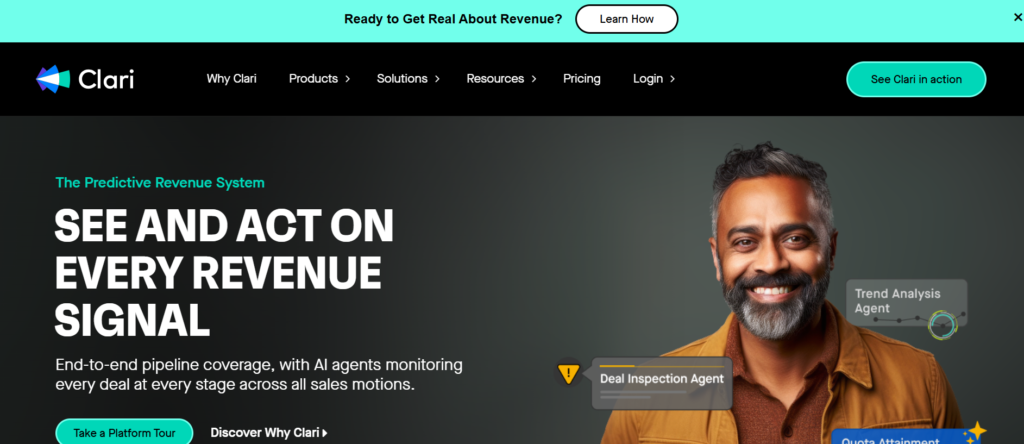
Revenue Intelligence Platform for UK Revenue Operations Teams
If your board meetings revolve around forecast risk, pipeline slippage, and deal inspection, Clari is likely already on your radar.
Clari is not just a CRM add-on. It is a revenue intelligence platform built specifically for high-growth and enterprise sales organisations. Across the UK, SaaS firms, fintech companies, and enterprise B2B teams use Clari to bring structure and accountability to revenue forecasting.
When comparing Clari vs Salesforce or researching a Clari review, one theme appears repeatedly. Visibility.
Key Features
AI-Driven Revenue Forecasting
Clari analyses CRM data, rep activity, deal momentum, and historical trends to predict revenue outcomes. UK revenue leaders can identify forecast gaps before quarter-end. In many Clari review breakdowns, this predictive forecasting engine is considered its strongest capability.
Pipeline Inspection and Risk Alerts
Clari highlights deals at risk based on engagement signals and pipeline movement. UK sales directors can quickly see which opportunities require intervention. This reduces end-of-quarter surprises and strengthens forecast reliability.
Commit Tracking and Forecast Rollups
Sales managers can submit forecast commits that roll up into executive dashboards. This structured process improves accountability across UK regional teams and ensures consistent revenue forecasting standards.
CRM Integration Layer
Clari integrates deeply with Salesforce and other major CRM platforms used in the UK. Instead of replacing your CRM, it overlays advanced sales forecasting tools on top of it.
Revenue Cadence and Activity Tracking
Clari tracks rep behaviour and meeting cadence, linking activity to forecast accuracy. For UK organisations focused on sales performance management, this alignment adds clarity to revenue projections.
Pros & Cons
| Pros | Cons |
| Advanced AI forecasting | Premium pricing |
| Strong pipeline inspection | Requires CRM foundation |
| Enterprise-grade dashboards | Implementation effort |
| Clear forecast accountability | Not ideal for small teams |
Pricing
Clari pricing in the UK is typically custom and aimed at mid-market and enterprise organisations. It is positioned above most SME-focused sales forecasting tools.
When comparing Clari pricing with Salesforce Enterprise tiers, Clari is often an additional investment layered on top of CRM costs.
Best For UK Revenue Operations and Enterprise Sales Teams
Clari is ideal for:
- UK SaaS companies — Subscription revenue visibility
- Fintech firms — Strict forecast accuracy requirements
- Enterprise B2B teams — Multi-layer approval pipelines
- RevOps departments — Structured forecast governance
If your organisation conducts weekly forecast calls and struggles with inconsistent CRM data, Clari introduces discipline.
Among sales forecasting tools in the UK, Clari stands out for revenue intelligence depth. It is not built for small founder-led teams, but for scaling enterprises where forecast variance affects investor confidence, it is a serious contender.
How to Extract More Value from Clari in the UK
Many UK teams use Clari purely for executive dashboards. A stronger tactic:
- Enforce weekly deal inspection workflows
- Tie forecast accuracy to manager KPIs
- Track forecast variance by region
- Analyse slippage patterns quarterly
This moves Clari from reporting tool to revenue control system.
When evaluating Clari vs Salesforce for UK sales forecasting tools, Salesforce manages CRM infrastructure, while Clari focuses on revenue predictability and inspection discipline.
Best Clari Alternative
If your organisation needs advanced revenue analytics but with a stronger historical data reporting focus, InsightSquared is often considered the next option for UK enterprise teams.
InsightSquared
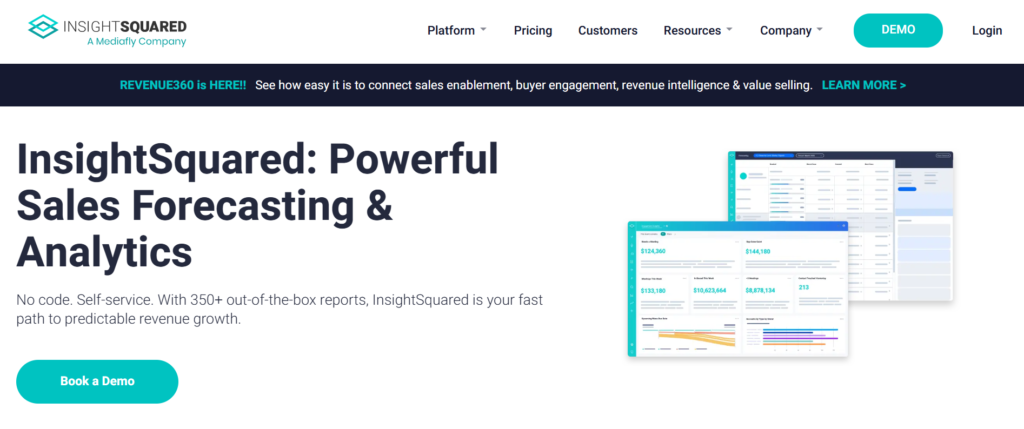
Advanced Revenue Analytics for UK Data-Focused Sales Teams
If your revenue conversations go deeper than “What is the number this quarter?”, InsightSquared deserves attention.
InsightSquared is built for organisations that want granular revenue analytics layered over their CRM. In the UK, it is commonly used by SaaS companies, technology consultancies, and B2B firms where leadership demands accurate sales forecasting backed by historical trend analysis.
When reviewing InsightSquared vs Clari, the difference usually comes down to predictive inspection versus analytical depth.
Key Features
Advanced Revenue Forecast Modelling
InsightSquared provides multi-variable sales forecasting tools that analyse win rates, pipeline velocity, rep performance, and historical revenue patterns. UK finance teams can model projections using past quarters as baselines, tightening revenue forecasting accuracy.
Historical Trend Analysis
Unlike many CRM-based forecasting systems, InsightSquared allows you to compare multi-year performance data. UK businesses can identify seasonal revenue fluctuations, which is critical for retail, SaaS renewals, and cyclical B2B sectors.
Pipeline Conversion Analytics
InsightSquared breaks down stage-by-stage conversion rates, giving UK sales leaders visibility into pipeline bottlenecks. This strengthens both sales performance management and forecasting reliability.
Forecast Variance Tracking
The platform tracks how close your previous forecasts were to actual revenue. UK boards value this metric because it reflects operational credibility, not just projected numbers.
Deep CRM Integration
InsightSquared integrates with Salesforce and other major CRMs used across the UK, acting as an analytical layer rather than a replacement system.
Pros & Cons
| Pros | Cons |
| Strong historical analysis | Premium cost |
| Forecast variance tracking | Requires clean CRM data |
| Detailed conversion metrics | Setup time required |
| Finance-friendly dashboards | Less focused on AI deal scoring |
Pricing
InsightSquared pricing in the UK is typically custom and positioned for mid-market to enterprise businesses. It is more advanced than SME-focused sales forecasting tools like Pipedrive or Zoho CRM.
When comparing InsightSquared pricing with Clari, InsightSquared often appeals more to finance-led organisations prioritising historical data integrity.
Best For UK Finance-Driven Sales Organisations
InsightSquared is ideal for:
- UK SaaS firms — Subscription renewal forecasting
- Technology consultancies — Long sales cycle analysis
- Enterprise B2B teams — Multi-quarter revenue modelling
- CFO-led organisations — Forecast variance accountability
If your leadership team demands evidence-backed revenue forecasting rather than optimistic projections, InsightSquared fits well.
Among sales forecasting tools in the UK, InsightSquared stands out for analytical depth. It may not provide the same predictive AI layer as Clari, but for organisations prioritising historical accuracy and trend-based revenue planning, it delivers.
How to Strengthen Forecast Discipline with InsightSquared
Most UK teams focus on forward-looking projections. A more disciplined approach:
- Track forecast accuracy percentage quarterly
- Analyse variance by sales manager
- Identify systematic over-commit patterns
- Adjust forecasting methodology accordingly
This shifts forecasting from opinion to measurable accountability.
When evaluating InsightSquared vs Clari for UK sales forecasting tools, Clari leads on predictive inspection, while InsightSquared excels in analytical transparency.
Best InsightSquared Alternative
If your organisation requires enterprise-wide scenario planning beyond sales forecasting alone, Anaplan is often the next solution considered by UK enterprise finance teams.
Anaplan
Enterprise Scenario Planning for UK Finance and Sales Alignment
When revenue forecasting becomes board-level strategy rather than just sales reporting, Anaplan enters the conversation.
Anaplan is widely adopted by large UK enterprises, including FTSE-listed firms, manufacturing groups, and multinational technology companies. It goes beyond standard sales forecasting tools by combining revenue forecasting, workforce planning, and financial modelling in one environment.
If you are comparing Anaplan vs InsightSquared or reviewing Anaplan pricing in the UK, the key distinction is enterprise-wide scenario modelling.
Key Features
Multi-Scenario Revenue Modelling
Anaplan allows UK organisations to model multiple revenue scenarios simultaneously. Sales leaders can forecast based on optimistic, conservative, and baseline projections. Finance teams can instantly see how hiring, pricing, or market shifts impact revenue forecasting.
Enterprise-Wide Planning Integration
Unlike most sales forecasting tools, Anaplan connects sales data with supply chain, operations, and finance planning. UK enterprises can align pipeline forecasts with production capacity and cash flow planning.
Custom Forecast Logic
Anaplan does not rely solely on stage-weighted pipeline assumptions. Organisations can build complex forecasting formulas reflecting subscription models, multi-year contracts, or consumption-based pricing structures common in UK SaaS firms.
Real-Time Collaboration
Sales, finance, and executive teams can collaborate inside shared forecast models. This reduces conflicting spreadsheets and fragmented revenue projections.
Board-Level Reporting Dashboards
Anaplan provides executive-ready dashboards suitable for UK board meetings and investor reporting, strengthening credibility around revenue forecasting accuracy.
Pros & Cons
| Pros | Cons |
| Advanced scenario modelling | High implementation cost |
| Enterprise-wide integration | Requires technical expertise |
| Flexible forecasting logic | Not suited for SMEs |
| Strong finance alignment | Longer deployment timeline |
Pricing
Anaplan pricing in the UK is custom and typically targets large enterprises. It is significantly more expensive than CRM-based sales forecasting tools such as HubSpot or Pipedrive.
When comparing Anaplan vs Salesforce for forecasting, Salesforce focuses on pipeline-level management, while Anaplan delivers corporate-level revenue planning.
Best For UK Enterprises Requiring Integrated Financial Forecasting
Anaplan is ideal for:
- FTSE-listed companies — Board-level revenue modelling
- Manufacturing groups — Linking sales forecasts to production
- Enterprise SaaS firms — Subscription scenario planning
- Finance-led organisations — Cross-department planning integration
If your UK organisation requires coordinated revenue forecasting across departments, Anaplan offers depth few competitors match.
Among sales forecasting tools in the UK, Anaplan operates at a different tier. It is not a lightweight CRM add-on. It is a strategic planning platform suited for enterprises managing complex revenue streams.
How to Strengthen Revenue Forecast Governance with Anaplan
Many UK organisations use Anaplan only for annual planning. A stronger approach:
- Conduct quarterly scenario updates
- Align hiring plans with forecast confidence levels
- Compare projected revenue against historical volatility
- Integrate rolling forecasts rather than static annual budgets
This makes revenue forecasting responsive rather than rigid.
When comparing Anaplan vs InsightSquared for UK sales forecasting tools, InsightSquared focuses on sales analytics, while Anaplan provides enterprise financial modelling.
Best Anaplan Alternative
If your organisation wants ERP-level integration with strong revenue forecasting built into financial management systems, Oracle NetSuite is often the next platform evaluated by UK mid-market and enterprise teams.
Oracle NetSuite
ERP-Integrated Sales Forecasting for UK Mid-Market and Enterprise Firms
If your sales forecasting tools must connect directly to finance, procurement, and inventory, Oracle NetSuite becomes highly relevant.
Oracle NetSuite is widely used across the UK by mid-market businesses, wholesalers, eCommerce brands, and service-based organisations that need revenue forecasting tightly aligned with financial reporting. Unlike standalone CRM forecasting systems, NetSuite embeds sales forecasting into a broader ERP framework.
When comparing Oracle NetSuite vs Anaplan or reviewing Oracle NetSuite pricing in the UK, the key consideration is integration depth.
Key Features
Native ERP and CRM Integration
NetSuite combines CRM, accounting, and ERP functions in one system. UK finance teams can align sales forecasting software directly with invoicing, revenue recognition, and cash flow forecasting. This reduces reconciliation issues at month-end.
Real-Time Revenue Dashboards
Sales leaders can view forecasted revenue alongside booked revenue, outstanding invoices, and financial performance metrics. This provides UK management teams with a unified revenue forecasting view.
Custom Forecast Categories
NetSuite allows segmentation by territory, product line, or business unit. UK firms operating across multiple regions can structure forecasts accordingly.
Subscription and Recurring Revenue Modelling
For UK SaaS and subscription-based companies, NetSuite supports recurring billing forecasts. This is particularly valuable when projecting annual recurring revenue and renewal cycles.
Scenario Planning and Budget Alignment
Finance teams can compare forecasted sales with budget targets and expenditure plans. This strengthens financial discipline across departments.
Pros & Cons
| Pros | Cons |
| Fully integrated ERP | Expensive setup |
| Strong finance alignment | Complex implementation |
| Subscription revenue support | Requires training |
| Suitable for mid-market | Overkill for small firms |
Pricing
Oracle NetSuite pricing in the UK is custom and depends on modules selected, number of users, and business size. It is generally positioned above SME-focused sales forecasting tools but below large enterprise-only planning platforms like Anaplan in total scope.
When comparing Oracle NetSuite vs Salesforce, Salesforce focuses on CRM-centric forecasting, while NetSuite integrates forecasting within financial systems.
Best For UK Mid-Market Companies Needing Financial Alignment
Oracle NetSuite is ideal for:
- UK wholesalers — Sales and inventory coordination
- eCommerce brands — Revenue and fulfilment alignment
- SaaS companies — Recurring revenue tracking
- Growing mid-market firms — Unified CRM and finance system
If your UK organisation struggles with siloed systems between sales and finance, NetSuite creates structural alignment.
Among sales forecasting tools in the UK, Oracle NetSuite stands out for ERP integration. It is not lightweight or inexpensive, but for businesses where financial accuracy is critical, it provides strong structural consistency.
How to Improve Forecast Accuracy with NetSuite
Many UK teams rely solely on CRM pipeline weighting. A more disciplined approach inside NetSuite:
- Align forecast categories with revenue recognition rules
- Compare pipeline projections against historical billing cycles
- Track forecast variance monthly
- Integrate rolling cash flow projections
This strengthens both revenue forecasting and financial planning.
When evaluating Oracle NetSuite vs Anaplan for UK sales forecasting tools, NetSuite integrates operational finance, while Anaplan specialises in enterprise scenario modelling.
Best Oracle NetSuite Alternative
If your organisation operates heavily within the Microsoft ecosystem and requires deep integration with Power BI and Office tools, Microsoft Dynamics 365 is often the next option considered by UK enterprises.
Microsoft Dynamics 365
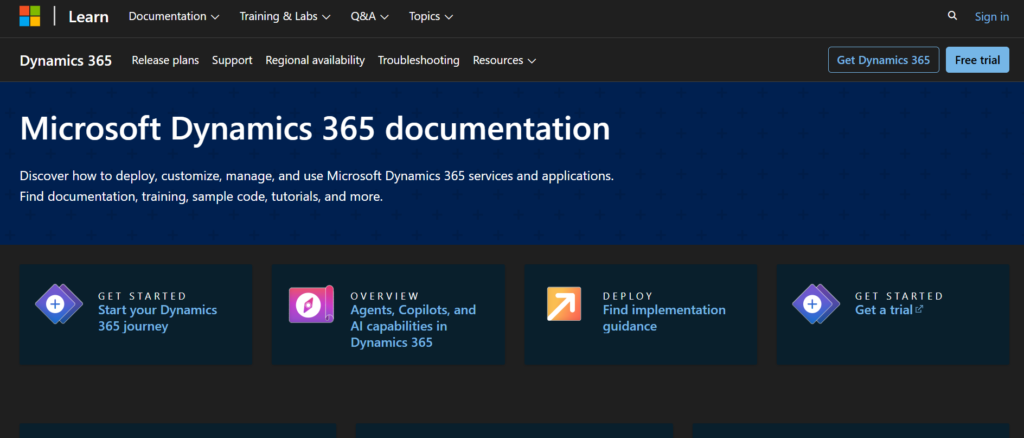
Sales Forecasting for UK Businesses Embedded in the Microsoft Ecosystem
If your organisation already runs on Microsoft 365, Azure, and Power BI, then Microsoft Dynamics 365 often feels like the natural next step.
Across the UK, mid-sized enterprises, public sector contractors, and manufacturing firms rely on Microsoft Dynamics 365 to align CRM, ERP, and revenue forecasting. When comparing Microsoft Dynamics 365 vs Oracle NetSuite or reviewing Microsoft Dynamics 365 pricing in the UK, the main differentiator is ecosystem integration.
Key Features
AI-Based Predictive Forecasting
Dynamics 365 includes predictive forecasting capabilities powered by Microsoft AI. UK sales teams can analyse historical sales performance, pipeline velocity, and deal health to produce more reliable revenue forecasting projections.
Deep Power BI Integration
One of the strongest advantages is seamless integration with Power BI. UK finance teams can create advanced sales forecasting dashboards and board-ready visualisations without exporting data into separate systems.
Territory and Quota Management
Dynamics 365 supports structured territory assignments and quota modelling. Sales leaders across UK regions can forecast revenue by geography, sector, or product line, improving pipeline management accuracy.
ERP and Financial Integration
For organisations using Microsoft’s finance modules, sales forecasting tools connect directly with accounting, budgeting, and financial planning systems. This alignment reduces reporting inconsistencies.
Custom Forecast Categories and Workflow Automation
Managers can customise forecast stages and automate approval workflows. This is particularly useful for UK enterprise environments with layered sign-off processes.
Pros & Cons
| Pros | Cons |
| Strong Microsoft integration | Complex licensing |
| Advanced reporting via Power BI | Setup requires expertise |
| Suitable for mid-market and enterprise | Interface less intuitive |
| Flexible customisation | Premium pricing tiers |
Pricing
Microsoft Dynamics 365 pricing in the UK varies depending on modules selected. Sales-focused plans typically start around £50 per user per month, with enterprise configurations priced higher.
Compared with Salesforce pricing, Dynamics 365 can be cost-effective for organisations already invested in Microsoft infrastructure.
Best For UK Organisations Already Using Microsoft Infrastructure
Dynamics 365 is ideal for:
- UK manufacturing firms — Sales and operations integration
- Public sector contractors — Structured reporting requirements
- Mid-market enterprises — ERP and CRM alignment
- Microsoft-heavy organisations — Power BI reporting synergy
If your UK company relies heavily on Excel, Teams, and Power BI, Dynamics 365 integrates naturally.
Among sales forecasting tools in the UK, Microsoft Dynamics 365 stands out for ecosystem alignment. It is not the simplest system to deploy, but for businesses already embedded in Microsoft products, it provides structural consistency and reporting strength.
How to Strengthen Forecast Accuracy in Dynamics 365
Many UK teams underuse Power BI integration. A more disciplined approach:
- Create forecast variance dashboards in Power BI
- Track rep-level forecast accuracy monthly
- Align forecast categories with revenue recognition standards
- Review regional performance trends quarterly
This converts forecasting from static reporting into measurable accountability.
When comparing Microsoft Dynamics 365 vs Oracle NetSuite for UK sales forecasting tools, NetSuite emphasises ERP centralisation, while Dynamics 365 excels in Microsoft ecosystem alignment.
Best Microsoft Dynamics 365 Alternative
If you are a growing UK SME that wants AI-assisted forecasting without enterprise-level complexity, Freshsales is often the next option evaluated.
Freshsales
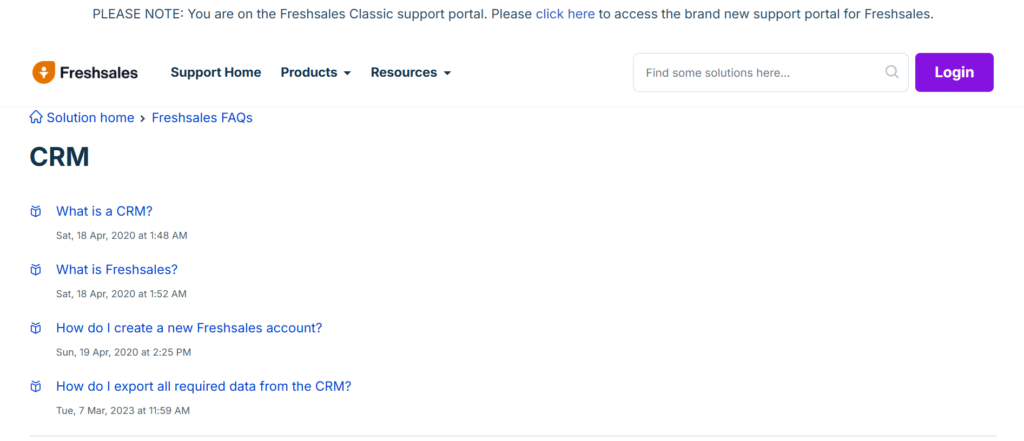
AI-Assisted Sales Forecasting for Growing UK SMEs
If you want AI-supported forecasting without stepping into enterprise-level pricing, Freshsales is worth serious consideration.
Freshsales, part of the Freshworks suite, has gained traction across the UK among tech start-ups, recruitment agencies, and service-led SMEs. When comparing Freshsales vs HubSpot or reviewing Freshsales pricing in the UK, most businesses focus on its balance between automation and affordability.
Key Features
AI-Based Deal Scoring
Freshsales uses built-in AI to score deals based on engagement, behaviour, and historical performance. UK sales managers can quickly identify high-probability opportunities, strengthening revenue forecasting accuracy without manual analysis.
Forecasting and Revenue Projections
The platform provides monthly and quarterly forecast views, allowing UK businesses to track projected revenue alongside pipeline value. This is particularly useful for cash flow forecasting and short-term growth planning.
Activity Tracking and Pipeline Monitoring
Freshsales captures emails, calls, and meetings automatically. This gives context behind forecast numbers, helping managers understand whether projected revenue is supported by consistent activity.
Built-In Telephony and Communication Tools
UK sales teams can manage communication inside the CRM, improving data consistency. Accurate CRM data is critical for reliable sales forecasting tools.
Custom Reports and Dashboards
Managers can create reports aligned with UK board reporting requirements, tracking sales performance management metrics alongside forecast numbers.
Pros & Cons
| Pros | Cons |
| Affordable for SMEs | Limited enterprise features |
| AI deal scoring included | Customisation less advanced |
| Built-in communication tools | Reporting depth moderate |
| Quick setup | Not ideal for complex modelling |
Pricing
Freshsales pricing in the UK starts with a free tier for small teams. Paid plans begin around £15 per user per month, with higher tiers including advanced AI and forecasting features.
Compared with Salesforce pricing, Freshsales is significantly more accessible for growing SMEs. Compared with Zoho CRM, pricing is similar but with stronger built-in communication tools.
Best For UK Growing SMEs Seeking AI Without Enterprise Complexity
Freshsales is ideal for:
- UK tech start-ups — AI-assisted deal tracking
- Recruitment agencies — High-volume pipeline management
- Service firms — Integrated communication tracking
- Founder-led teams — Structured forecasting without heavy configuration
If your UK business needs stronger forecasting than basic CRM dashboards but is not ready for enterprise-level investment, Freshsales sits comfortably in that middle ground.
Among sales forecasting tools in the UK, Freshsales offers solid value for scaling SMEs. It will not replace enterprise revenue intelligence platforms, but it delivers practical forecasting clarity for growing teams.
How to Improve Forecast Reliability in Freshsales
Many UK teams activate AI scoring and leave it at that. A more disciplined method:
- Audit win rates by deal source
- Adjust forecast projections quarterly
- Track forecast variance monthly
- Align projected revenue with cash flow targets
This ensures your revenue forecasting is grounded in measurable performance trends.
When comparing Freshsales vs HubSpot for UK sales forecasting tools, HubSpot provides broader marketing integration, while Freshsales focuses more directly on sales workflow efficiency.
Best Freshsales Alternative
If your organisation operates in a project-based environment and needs forecasting linked to resource planning and billable hours, Forecastio is often the next platform evaluated in the UK.
Forecastio
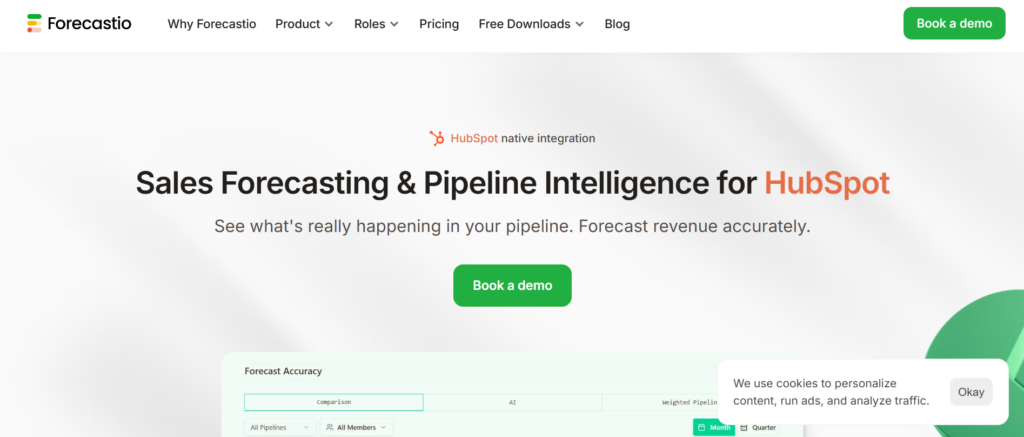
Project-Based Revenue Forecasting for UK Service Businesses
If your revenue depends on billable hours, utilisation rates, and project timelines rather than simple deal closures, Forecastio becomes highly relevant.
Forecastio is widely adopted across the UK by consultancies, digital agencies, IT service providers, and professional services firms. When comparing Forecastio vs Freshsales or reviewing Forecastio pricing in the UK, the key difference is clear. It connects sales forecasting directly to project delivery.
Key Features
Revenue Forecasting Linked to Project Delivery
Forecastio connects closed deals to resource planning and project timelines. UK businesses can see how upcoming projects impact monthly revenue forecasts, rather than relying solely on pipeline estimates.
Utilisation and Capacity Planning
The platform forecasts revenue based on team availability and billable capacity. For UK consultancies, this strengthens cash flow forecasting and prevents overcommitting resources.
Subscription and Retainer Revenue Tracking
Agencies and service providers across the UK can track recurring retainers alongside one-off project work, improving predictability in revenue forecasting.
CRM and Financial Integrations
Forecastio integrates with leading CRM systems and accounting tools used in the UK. This ensures that sales forecasting tools align with invoicing and financial reporting.
Scenario Modelling for Project Delays
UK service businesses often face delivery delays. Forecastio allows managers to adjust project timelines and instantly see the financial impact on revenue projections.
Pros & Cons
| Pros | Cons |
| Strong project-based forecasting | Less suited for product sales |
| Capacity planning included | Pricing higher than SME CRMs |
| Good fit for agencies | Requires structured data input |
| Aligns sales and delivery | Learning curve for new teams |
Pricing
Forecastio pricing in the UK is typically custom and based on organisation size and required modules. It is positioned above basic CRM forecasting tools but below enterprise planning systems.
When comparing Forecastio pricing with Freshsales, Forecastio targets service-heavy organisations rather than general sales teams.
Best For UK Consultancies and Professional Services Firms
Forecastio is ideal for:
- UK digital agencies — Retainer and project forecasting
- IT consultancies — Resource capacity modelling
- Professional services firms — Revenue tied to utilisation
- Engineering firms — Multi-phase project forecasting
If your UK organisation bills by the hour or by project milestones, traditional CRM forecasting often falls short. Forecastio bridges that gap.
Among sales forecasting tools in the UK, Forecastio stands out for project-linked revenue modelling. It is not designed for high-volume product sales, but for service-based firms, it adds structure to both pipeline and delivery planning.
How to Improve Forecast Accuracy in Forecastio
Many UK service firms forecast purely on signed contracts. A stronger approach:
- Monitor team utilisation weekly
- Adjust revenue projections based on delivery pace
- Track variance between estimated and actual project hours
- Align project forecasts with cash flow planning
This creates tighter alignment between booked work and realised revenue.
When comparing Forecastio vs Freshsales for UK sales forecasting tools, Freshsales suits transactional sales teams, while Forecastio is built for project-driven revenue models.
Best Forecastio Alternative
If your organisation needs AI-based deal intelligence layered onto CRM data rather than project-based modelling, Aviso is often the next platform considered by UK enterprise sales teams.
Aviso
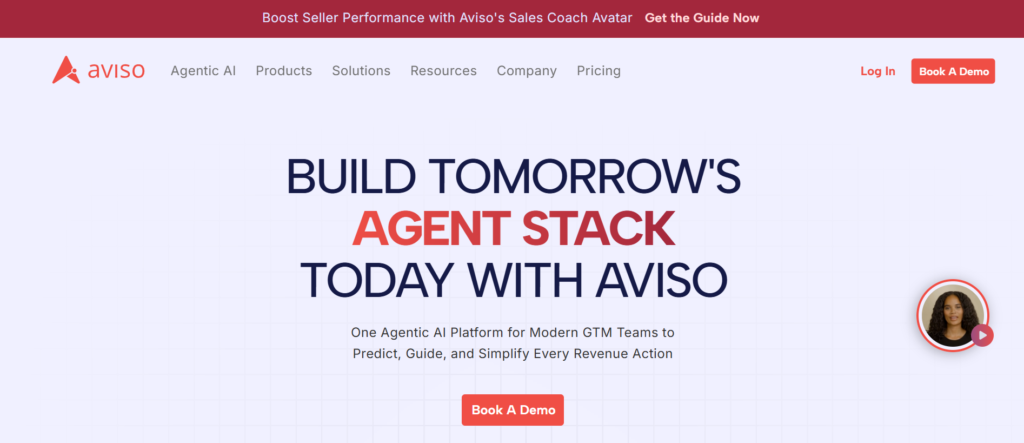
AI Revenue Forecasting for UK Enterprise Sales Teams
If your forecast calls are filled with subjective deal updates and last-minute surprises, Aviso is built to change that.
Aviso is positioned as an AI-driven revenue forecasting platform used by large enterprise sales organisations. Across the UK, SaaS providers, fintech firms, and technology enterprises use Aviso to tighten forecast accuracy and introduce accountability into pipeline management.
When comparing Aviso vs Clari or reviewing an Aviso review in detail, the main talking point is predictive deal intelligence.
Key Features
AI-Based Deal Intelligence
Aviso analyses CRM data, communication signals, deal movement, and historical win patterns to assess forecast risk. UK sales leaders can identify weak pipeline coverage early rather than discovering shortfalls at quarter end.
Predictive Revenue Forecasting
The system generates forward-looking revenue forecasts based on behavioural signals, not just stage weighting. This makes it more sophisticated than many basic sales forecasting tools used across the UK.
Forecast Commit Tracking
Managers submit forecast commits that roll up into executive dashboards. Aviso tracks historical accuracy, allowing UK leadership teams to measure credibility across regions and departments.
Scenario Simulation
UK enterprise teams can simulate different revenue scenarios by adjusting close probabilities, deal timelines, and pipeline growth assumptions.
CRM Integration
Aviso integrates with major CRM platforms widely used in the UK, including Salesforce. It layers advanced forecasting capabilities on top of existing CRM infrastructure.
Pros & Cons
| Pros | Cons |
| Strong predictive AI | Enterprise pricing |
| Risk identification alerts | Requires CRM maturity |
| Forecast accountability tracking | Implementation effort |
| Scenario modelling included | Not suitable for SMEs |
Pricing
Aviso pricing in the UK is custom and typically aimed at mid-market and enterprise organisations. It is positioned alongside platforms such as Clari rather than SME-focused sales forecasting tools like Pipedrive or Zoho CRM.
When comparing Aviso vs Clari, both offer predictive forecasting, but Aviso is often praised for deeper behavioural signal analysis.
Best For UK Enterprise Sales Teams Seeking Forecast Predictability
Aviso is ideal for:
- UK SaaS enterprises — Subscription revenue modelling
- Fintech companies — High forecast accountability standards
- Enterprise B2B teams — Multi-stage complex pipelines
- Revenue operations departments — Structured forecast governance
If your UK organisation runs weekly forecast calls and struggles with inconsistent data quality, Aviso introduces discipline and measurable oversight.
Among sales forecasting tools in the UK, Aviso is focused squarely on predictive revenue intelligence. It is not built for early-stage SMEs, but for enterprise sales teams managing high-value pipelines, it delivers strong oversight.
How to Extract Maximum Value from Aviso
Many UK teams rely solely on AI-generated forecasts. A more effective method:
- Compare AI predictions against manager commits
- Track forecast variance by region
- Analyse behavioural signals tied to lost deals
- Use scenario simulations during quarterly planning
This approach strengthens revenue forecasting credibility at board level.
When evaluating Aviso vs Clari for UK sales forecasting tools, both offer predictive revenue oversight, but Aviso often appeals to teams wanting deeper AI signal analysis.
Best Aviso Alternative
If your organisation is heavily focused on incentive compensation and commission modelling alongside revenue forecasting, Xactly is often the next platform considered by UK enterprise teams.
Xactly
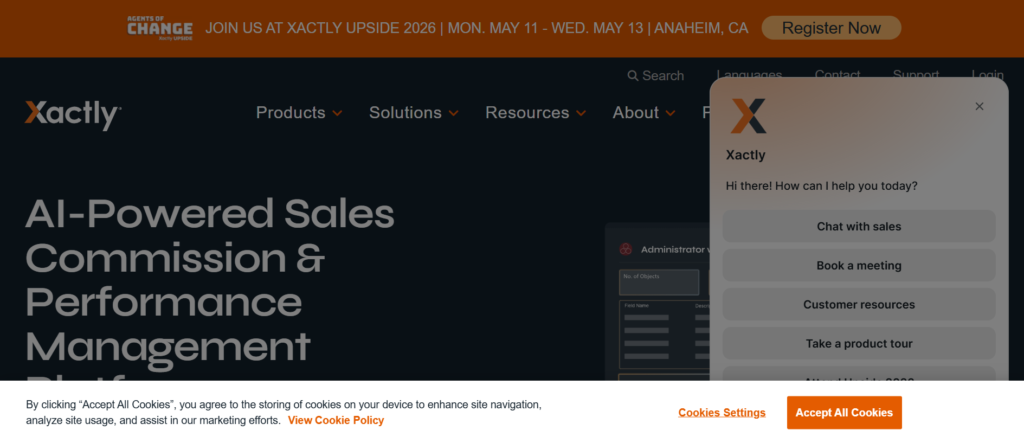
Sales Forecasting with Commission and Incentive Modelling for UK Enterprises
If your forecast accuracy directly impacts commission payouts, Xactly should be on your shortlist.
Xactly is widely used by enterprise sales organisations that need tight alignment between revenue forecasting and sales compensation. Across the UK, large B2B teams and multinational firms rely on Xactly to connect forecasted revenue with incentive structures.
When comparing Xactly vs Aviso or reading a Xactly review, the conversation often centres around compensation intelligence.
Key Features
Incentive Compensation Forecasting
Xactly links sales forecasting tools directly to commission modelling. UK sales leaders can see how projected revenue impacts bonus payouts before quarter end, reducing financial surprises.
Revenue Forecast Accuracy Tracking
The platform monitors forecast commits against actual closed revenue. This allows UK organisations to measure forecast credibility at rep and manager level.
Scenario Planning for Compensation
Xactly allows modelling of different revenue scenarios and commission plans. Finance teams can assess financial exposure before adjusting sales targets.
Quota and Territory Alignment
UK enterprises can align quotas with revenue projections across regions and product lines. This supports both sales performance management and strategic planning.
CRM Integration
Xactly integrates with major CRM systems used in the UK, ensuring sales forecasting software pulls from consistent pipeline data.
Pros & Cons
| Pros | Cons |
| Strong compensation modelling | Enterprise pricing |
| Forecast and quota alignment | Not suited for SMEs |
| Good finance visibility | Requires structured data |
| Scenario-based planning | Implementation effort |
Pricing
Xactly pricing in the UK is typically custom and aimed at mid-market to enterprise organisations. It is positioned as a specialised solution rather than a general CRM forecasting add-on.
When comparing Xactly vs Clari, Clari focuses more on deal inspection, while Xactly emphasises compensation and quota modelling alongside revenue forecasting.
Best For UK Enterprises with Complex Commission Structures
Xactly is ideal for:
- UK enterprise B2B firms — Multi-tier commission models
- SaaS companies — Recurring revenue incentives
- Multinational teams — Regional quota alignment
- Finance-led organisations — Compensation risk control
If your UK organisation struggles with disputes around commission payouts tied to forecasted revenue, Xactly introduces structure.
Among sales forecasting tools in the UK, Xactly stands out for linking forecast accuracy with compensation modelling. It is not built for early-stage teams, but for enterprises managing complex incentive plans, it offers clarity.
How to Improve Forecast Accountability with Xactly
Many UK teams use Xactly primarily for commission tracking. A stronger approach:
- Tie forecast accuracy to performance reviews
- Analyse variance between forecast and payout
- Adjust quota allocations quarterly
- Align compensation modelling with long-term revenue forecasting
This reduces over-optimistic forecasting behaviours.
When evaluating Xactly vs Aviso for UK sales forecasting tools, Aviso focuses on AI deal signals, while Xactly centres on incentive alignment and revenue credibility.
Best Xactly Alternative
If your organisation requires deeper financial modelling and SQL-based planning beyond compensation tracking, Kepion is often the next solution evaluated by UK finance teams.
Kepion
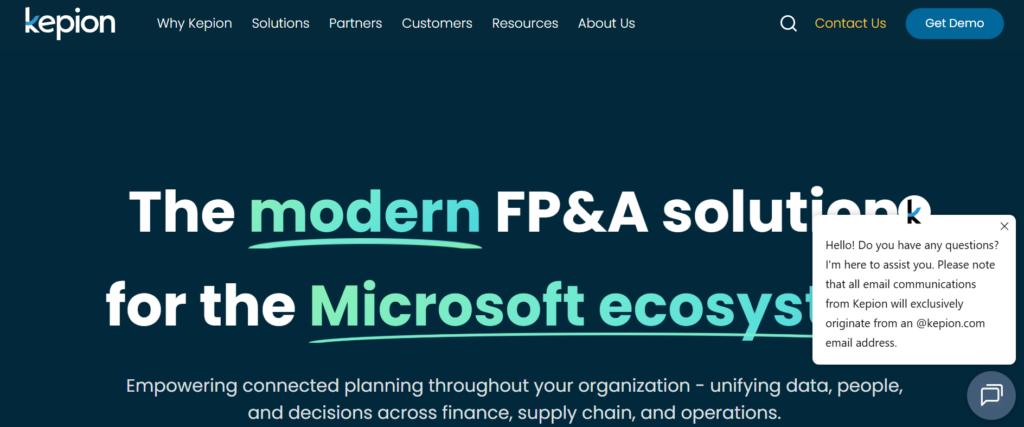
SQL-Based Financial Planning and Sales Forecasting for UK Data Teams
If your finance team lives inside SQL databases and Excel models, Kepion will feel familiar.
Kepion is a planning platform built on Microsoft SQL Server, widely used by UK organisations that require structured financial modelling combined with sales forecasting tools. When comparing Kepion vs Xactly or reviewing Kepion pricing in the UK, the defining factor is database-level control.
Key Features
SQL-Driven Forecast Modelling
Kepion allows UK finance teams to build custom revenue forecasting models directly on SQL infrastructure. This gives organisations full control over forecast logic, calculations, and reporting layers.
Integrated Financial and Sales Planning
Unlike basic CRM forecasting tools, Kepion links sales forecasts with budgeting, workforce planning, and financial reporting. UK businesses can align projected revenue with expenditure and hiring plans.
Multi-Dimensional Forecasting
You can segment revenue forecasting by region, product line, channel, or business unit. This flexibility is valuable for UK firms operating across multiple sectors or territories.
Excel-Based User Interface
Many UK finance teams prefer Excel workflows. Kepion integrates with Excel, allowing teams to input and adjust forecast assumptions without abandoning familiar tools.
Workflow and Approval Controls
Kepion supports structured forecast submission and approval processes, making it suitable for UK enterprises with layered management sign-off requirements.
Pros & Cons
| Pros | Cons |
| Deep SQL integration | Requires technical expertise |
| Strong finance alignment | Setup can be complex |
| Excel-friendly interface | Not ideal for small teams |
| Flexible modelling logic | Less focused on AI forecasting |
Pricing
Kepion pricing in the UK is typically custom and based on user count and implementation scope. It is generally positioned for mid-market and enterprise organisations rather than SMEs.
When comparing Kepion vs Anaplan, both provide enterprise planning capabilities, but Kepion appeals more to Microsoft SQL-based environments.
Best For UK Finance Teams Requiring Database-Level Control
Kepion is ideal for:
- UK mid-market enterprises — Custom financial modelling
- Microsoft SQL-based organisations — Infrastructure alignment
- Finance-led teams — Integrated budgeting and forecasting
- Multi-division firms — Structured approval workflows
If your UK organisation demands granular control over revenue forecasting calculations, Kepion offers flexibility beyond standard CRM systems.
Among sales forecasting tools in the UK, Kepion stands out for technical depth and financial modelling capability. It is not designed for quick CRM forecasting, but for data-heavy organisations, it provides strong control.
How to Improve Forecast Governance with Kepion
Many UK organisations use Kepion primarily for annual budgeting. A more disciplined method:
- Introduce rolling quarterly revenue forecasts
- Track forecast variance by division
- Align sales projections with expenditure planning
- Audit assumptions quarterly
This makes revenue forecasting a continuous planning process rather than a once-a-year exercise.
When comparing Kepion vs Xactly for UK sales forecasting tools, Xactly focuses on commission modelling, while Kepion delivers broader financial planning control.
Best Kepion Alternative
If your organisation needs stronger cash flow forecasting rather than enterprise SQL modelling, Float is often the next platform evaluated by UK SMEs and finance teams.
Float
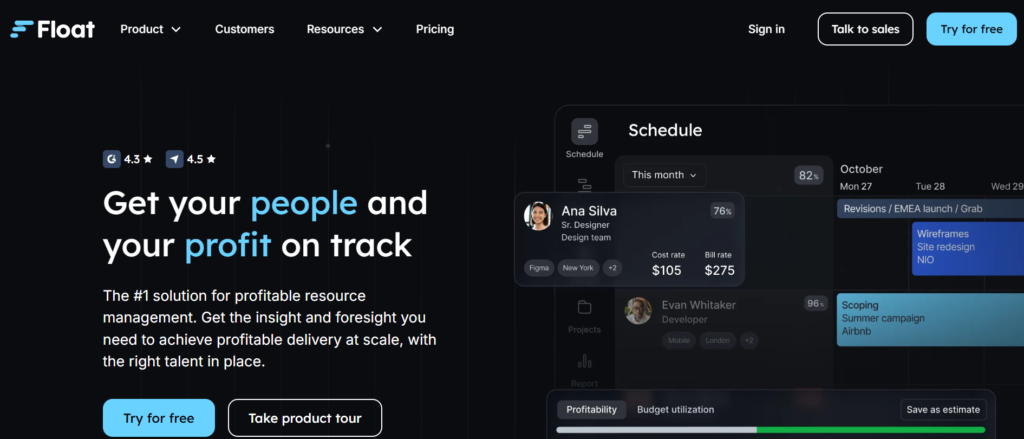
Cash Flow Forecasting with Sales Visibility for UK SMEs
If your biggest concern is not just pipeline value but whether cash will actually hit the bank on time, Float deserves attention.
Float is widely used across the UK by SMEs, agencies, eCommerce businesses, and service firms that need strong cash flow forecasting linked to sales projections. When comparing Float vs Kepion or reviewing Float pricing in the UK, the key difference is simplicity and liquidity focus.
Key Features
Cash Flow Forecasting Linked to Sales Data
Float connects to accounting software commonly used in the UK, allowing businesses to project incoming revenue alongside outgoing expenses. This strengthens revenue forecasting by showing timing, not just totals.
Scenario Planning for Revenue Delays
UK SMEs can model delayed payments, late invoices, or reduced pipeline conversions. This helps leadership teams prepare for slower-than-expected cash inflow.
Real-Time Financial Dashboard
Float provides a clear view of projected bank balances based on sales forecasts and expense commitments. For UK founders managing tight margins, this visibility supports informed decision-making.
Integration with Accounting Platforms
Float integrates with Xero and QuickBooks, which are widely adopted by UK SMEs. This ensures that sales forecasting tools reflect actual financial data.
Short-Term and Long-Term Projections
Businesses can forecast weekly, monthly, or yearly cash flow, aligning revenue forecasting with operational planning.
Pros & Cons
| Pros | Cons |
| Strong cash flow focus | Limited CRM forecasting depth |
| Easy for SMEs | Not enterprise-grade |
| Clear financial visibility | Less AI capability |
| Quick implementation | Narrower scope |
Pricing
Float pricing in the UK starts at approximately £25 per month, depending on business size and features required. Compared with enterprise sales forecasting tools, Float is significantly more affordable.
When comparing Float vs Oracle NetSuite, NetSuite offers full ERP integration, while Float focuses specifically on cash flow visibility for SMEs.
Best For UK SMEs Focused on Liquidity and Cash Control
Float is ideal for:
- UK agencies — Managing retainer and project payments
- eCommerce brands — Monitoring seasonal cash swings
- Service firms — Tracking invoice-based revenue
- Founder-led businesses — Clear short-term cash planning
If your UK organisation’s primary risk is cash timing rather than complex pipeline modelling, Float offers practical clarity.
Among sales forecasting tools in the UK, Float stands out for liquidity planning. It does not replace CRM-based revenue forecasting, but it strengthens financial visibility for SMEs.
How to Strengthen Cash Forecast Accuracy with Float
Many UK businesses forecast revenue but ignore payment timing. A more disciplined method:
- Categorise invoices by typical payment behaviour
- Model late-payment scenarios quarterly
- Align sales projections with actual billing schedules
- Review bank balance forecasts weekly
This ensures revenue forecasting translates into realistic cash planning.
When evaluating Float vs Kepion for UK sales forecasting tools, Kepion focuses on financial modelling depth, while Float prioritises practical cash flow visibility.
Best Float Alternative
If your organisation requires broader financial planning and rolling forecasts across departments rather than only cash flow forecasting, Planful is often the next platform considered by UK finance teams.
Planful
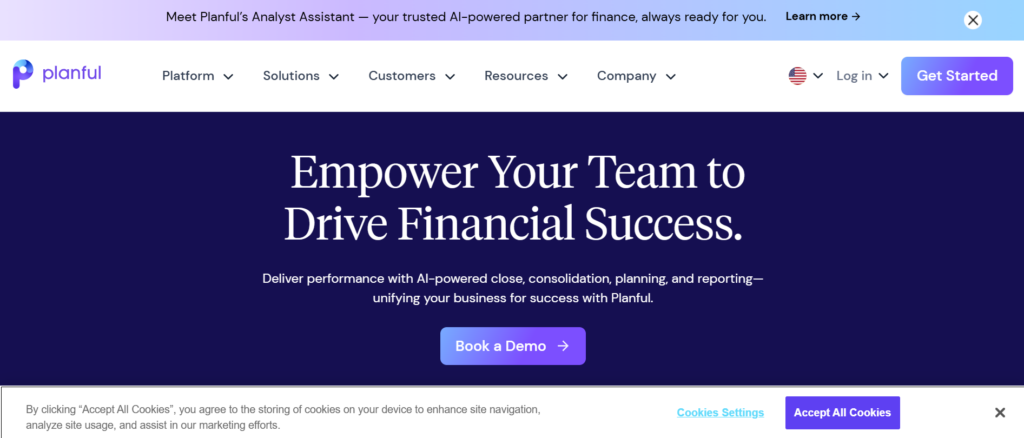
Rolling Forecast and Financial Planning for UK Finance Teams
If your sales forecasting tools need to connect directly with budgeting, consolidation, and board reporting, Planful is worth serious evaluation.
Planful is widely used by UK mid-market and enterprise organisations that require structured rolling forecasts rather than static annual plans. When comparing Planful vs Float or reviewing Planful pricing in the UK, the key advantage is cross-department financial alignment.
Key Features
Rolling Revenue Forecasting
Planful enables continuous rolling forecasts instead of once-a-year projections. UK finance teams can update revenue forecasting monthly or quarterly, adjusting assumptions based on pipeline changes and market conditions.
Integrated Budgeting and Sales Planning
Unlike standalone CRM forecasting systems, Planful links projected sales with operational budgets. This allows UK organisations to align hiring, marketing spend, and capital investment with forecasted revenue.
Consolidation and Financial Reporting
Planful supports multi-entity reporting, which is critical for UK businesses operating subsidiaries or international divisions. Sales forecasts feed directly into consolidated financial statements.
Scenario Modelling
Finance teams can simulate revenue growth or decline scenarios and assess their impact on cash flow and profitability. This adds discipline to revenue forecasting decisions.
ERP and CRM Integration
Planful integrates with major ERP and CRM systems commonly used across the UK, ensuring forecast data flows consistently across departments.
Pros & Cons
| Pros | Cons |
| Strong rolling forecast capability | Enterprise pricing |
| Finance-led planning alignment | Requires structured implementation |
| Multi-entity reporting | Not built for small teams |
| Good board-level dashboards | Less sales-specific functionality |
Pricing
Planful pricing in the UK is typically custom and geared toward mid-market and enterprise organisations. It sits above SME-focused sales forecasting tools but below highly complex enterprise planning platforms in overall scope.
When comparing Planful vs Anaplan, both provide financial planning strength, though Anaplan is often considered more expansive at enterprise scale.
Best For UK Finance-Led Organisations Requiring Continuous Forecasting
Planful is ideal for:
- UK mid-market firms — Monthly rolling revenue forecasts
- Multi-entity organisations — Consolidated reporting needs
- Finance-led businesses — Budget and forecast alignment
- Growing enterprises — Structured planning processes
If your UK organisation wants predictable revenue forecasting tied directly to financial planning cycles, Planful offers strong governance.
Among sales forecasting tools in the UK, Planful stands out for continuous financial planning. It is not built solely for sales teams, but for finance-driven organisations, it adds structural clarity.
How to Improve Forecast Discipline with Planful
Many UK organisations create annual budgets and rarely revisit them. A stronger approach:
- Introduce rolling 12-month forecasts
- Compare forecasted revenue against prior-year performance
- Adjust hiring plans based on forecast confidence
- Track variance monthly and present findings to leadership
This ensures revenue forecasting remains aligned with operational reality.
When evaluating Planful vs Float for UK sales forecasting tools, Float prioritises cash flow clarity for SMEs, while Planful delivers broader financial planning oversight.
Best Planful Alternative
If your organisation prefers working heavily in Excel while still maintaining structured corporate performance management, Vena is often the next solution considered by UK finance teams.
Vena
Excel-Based Corporate Performance and Sales Forecasting for UK Finance Teams
If your finance team refuses to give up Excel but still needs structured sales forecasting tools, Vena bridges that gap.
Vena is widely adopted across the UK by mid-market organisations that want enterprise-level financial planning without abandoning familiar spreadsheets. When comparing Vena vs Planful or reviewing Vena pricing in the UK, the defining feature is Excel-native forecasting.
Key Features
Excel-Native Revenue Forecasting
Vena integrates directly with Microsoft Excel, allowing UK finance teams to build revenue forecasting models inside the environment they already use. This reduces training time and improves user adoption compared with standalone systems.
Centralised Data Governance
Although forecasting happens in Excel, data is stored in a central database. UK organisations benefit from version control, audit trails, and structured approval workflows without losing spreadsheet flexibility.
Sales and Financial Planning Alignment
Vena connects sales forecasts with budgeting and operational planning. UK leadership teams can align projected revenue with hiring, marketing expenditure, and capital allocation.
Workflow and Approval Automation
Forecast submissions follow structured approval processes. This supports UK enterprises with layered management structures and board reporting requirements.
Power BI Integration
For organisations already using Microsoft reporting tools, Vena integrates with Power BI, enabling advanced forecast dashboards and executive summaries.
Pros & Cons
| Pros | Cons |
| Excel familiarity | Enterprise-level pricing |
| Strong governance controls | Requires structured setup |
| Good Microsoft integration | Not ideal for small firms |
| Suitable for mid-market | Less AI-focused forecasting |
Pricing
Vena pricing in the UK is custom and generally targeted at mid-market and enterprise businesses. It is positioned above SME-focused sales forecasting tools but below highly expansive enterprise planning suites in implementation scope.
When comparing Vena vs Planful, both provide strong financial alignment, though Vena appeals more strongly to Excel-dependent finance teams.
Best For UK Organisations That Depend on Excel
Vena is ideal for:
- UK mid-market firms — Structured Excel-based planning
- Microsoft-heavy organisations — Power BI integration
- Finance-led teams — Controlled spreadsheet workflows
- Multi-division companies — Consolidated revenue forecasting
If your UK organisation struggles with disconnected spreadsheets across departments, Vena adds structure without forcing a full system overhaul.
Among sales forecasting tools in the UK, Vena stands out for combining Excel flexibility with corporate governance. It is not built purely for frontline sales teams, but for finance-led forecasting environments, it provides balance.
How to Strengthen Forecast Accuracy with Vena
Many UK organisations treat Excel forecasts as static documents. A stronger approach:
- Introduce rolling forecast updates monthly
- Track forecast variance by department
- Standardise assumption inputs across divisions
- Present forecast accuracy metrics to leadership
This shifts spreadsheet forecasting from informal practice to controlled financial planning.
When evaluating Vena vs Planful for UK sales forecasting tools, both align sales and finance, but Vena offers deeper Excel integration for teams reluctant to abandon spreadsheets.
Best Vena Alternative
If your organisation requires broader enterprise performance management across multiple departments and analytics layers, Board is often the next platform evaluated by UK enterprise finance teams.
Board
Enterprise Performance Management and Sales Forecasting for UK Corporates
When revenue forecasting becomes part of enterprise-wide performance management rather than just sales reporting, Board is often shortlisted.
Board is used across the UK by large enterprises in manufacturing, retail, financial services, and complex B2B environments. When comparing Board vs Vena or reviewing Board pricing in the UK, the focus is usually on unified planning across departments.
Key Features
Unified Sales and Financial Forecasting
Board connects sales forecasting tools with budgeting, operational planning, and strategic reporting. UK enterprises can align revenue projections with procurement, staffing, and capital planning in one system.
Multi-Dimensional Data Modelling
Organisations can structure revenue forecasting by region, product line, division, or market segment. For UK businesses operating across England, Scotland, Wales, and Northern Ireland, this segmentation improves visibility.
Advanced Analytics and Reporting
Board includes built-in analytics capabilities, enabling UK finance and executive teams to analyse forecast trends, performance gaps, and historical variance without exporting data externally.
Workflow Governance and Approvals
Forecast submissions can follow structured approval processes. This is particularly useful for UK corporates with layered management hierarchies and board-level reporting standards.
Integration with ERP and CRM Systems
Board integrates with common CRM and ERP platforms used across the UK, ensuring that sales forecasting software reflects live operational data.
Pros & Cons
| Pros | Cons |
| Enterprise-wide planning | High implementation cost |
| Strong analytics capabilities | Complex deployment |
| Multi-department integration | Not suitable for SMEs |
| Structured governance controls | Requires training |
Pricing
Board pricing in the UK is custom and typically aimed at enterprise-level organisations. It is positioned alongside platforms such as Anaplan and Planful in terms of scope.
When comparing Board vs Anaplan, both provide enterprise planning depth, though Board is often selected for its integrated analytics environment.
Best For UK Enterprises Requiring Unified Planning Across Departments
Board is ideal for:
- UK manufacturing groups — Sales and production alignment
- Financial services firms — Structured performance management
- Large retail chains — Multi-region revenue forecasting
- Multi-division corporates — Centralised planning oversight
If your UK organisation requires more than just CRM-based sales forecasting tools and instead needs enterprise-level performance governance, Board offers structured control.
Among sales forecasting tools in the UK, Board operates at the enterprise performance management tier. It is not designed for growing SMEs, but for large corporates, it provides structured oversight and integration.
How to Strengthen Forecast Governance with Board
Many UK enterprises use Board primarily for annual planning. A stronger approach:
- Introduce rolling quarterly forecast reviews
- Track forecast variance by business unit
- Align revenue projections with operational capacity
- Present forecast credibility metrics to the board
This moves forecasting from static planning to continuous performance management.
When evaluating Board vs Vena for UK sales forecasting tools, Vena focuses on Excel-based flexibility, while Board delivers broader enterprise integration.
Best Board Alternative
If your organisation is heavily invested in Salesforce and needs enhanced workspace and forecast collaboration inside that ecosystem, Dooly is often the next solution evaluated in the UK.
Dooly
Salesforce-Embedded Forecast Collaboration for UK Sales Teams
If your sales team lives inside Salesforce all day and struggles with forecast hygiene, Dooly can tighten execution without replacing your CRM.
Dooly is designed as a workspace layer on top of Salesforce, improving data capture, note-taking, and forecast updates. Across the UK, SaaS firms and scaling B2B sales teams use Dooly to improve CRM discipline and forecasting consistency.
When comparing Dooly vs Salesforce native tools or reviewing a Dooly review, most users focus on productivity and data accuracy.
Key Features
Real-Time Salesforce Sync
Dooly syncs directly with Salesforce, ensuring that notes, deal updates, and pipeline changes automatically reflect in revenue forecasting dashboards. UK sales managers gain cleaner data without chasing reps for CRM updates.
Forecast Hygiene and Pipeline Updates
Reps can update deal stages, close dates, and amounts during meetings. This improves the reliability of sales forecasting tools used in UK forecast calls.
Collaborative Workspace
Dooly allows managers and reps to collaborate on deals within a shared workspace. This reduces miscommunication and improves forecast transparency across UK regional teams.
Activity Tracking and Note Automation
Notes are structured and linked directly to accounts and opportunities. This creates stronger audit trails for revenue forecasting discussions.
Sales Process Standardisation
UK organisations can embed structured deal frameworks into the workspace, improving consistency across teams and reducing subjective forecasting assumptions.
Pros & Cons
| Pros | Cons |
| Improves Salesforce data quality | Requires Salesforce subscription |
| Easy adoption for reps | Not standalone forecasting software |
| Enhances forecast discipline | Adds extra subscription cost |
| Strong collaboration features | Limited outside Salesforce |
Pricing
Dooly pricing in the UK is typically custom and based on Salesforce user count. It is positioned as an add-on rather than a full replacement for core sales forecasting tools.
When comparing Dooly vs Clari, Clari focuses on predictive revenue intelligence, while Dooly concentrates on CRM data quality and workflow efficiency.
Best For UK Salesforce-Centric Sales Teams
Dooly is ideal for:
- UK SaaS teams — High CRM dependency
- Scaling B2B sales organisations — Structured forecast calls
- Regional sales teams — Collaboration across territories
- Sales managers — Cleaner pipeline visibility
If your UK organisation struggles with incomplete CRM data affecting revenue forecasting accuracy, Dooly addresses that root issue.
Among sales forecasting tools in the UK, Dooly is not a standalone forecasting engine. Instead, it strengthens the accuracy of existing Salesforce-based forecasts by improving data integrity.
How to Improve Forecast Accuracy with Dooly
Many UK teams implement Dooly only for note-taking. A stronger method:
- Standardise deal review templates
- Enforce weekly pipeline update rituals
- Track forecast variance alongside CRM hygiene metrics
- Tie CRM completeness to performance reviews
This ensures better data leads to stronger revenue forecasting outcomes.
When evaluating Dooly vs Salesforce forecasting features, Salesforce provides the forecasting engine, while Dooly improves execution discipline.
Best Dooly Alternative
If your organisation wants automated forecast updates and pipeline analytics layered on top of CRM without heavy workflow tools, Revenue Grid is often the next platform considered by UK revenue operations teams.
Revenue Grid
Automated Forecast Visibility and Pipeline Analytics for UK Revenue Teams
If your organisation wants automated forecast updates without adding heavy workflow layers, Revenue Grid is often the final contender on the shortlist.
Revenue Grid is positioned as a revenue intelligence and sales engagement platform. Across the UK, scaling SaaS firms, B2B sales teams, and revenue operations departments use Revenue Grid to improve pipeline accuracy and automate forecasting inputs.
When comparing Revenue Grid vs Dooly or reviewing a Revenue Grid review, the conversation usually centres around automation and predictive visibility.
Key Features
Automated Forecast Updates
Revenue Grid automatically captures email and calendar activity, feeding engagement data into CRM records. For UK sales teams, this reduces manual data entry and strengthens the integrity of sales forecasting tools.
Predictive Deal Scoring
The platform analyses communication frequency, response times, and deal activity to assess close probability. UK revenue leaders gain early warnings on at-risk opportunities before forecasts slip.
Revenue Intelligence Dashboards
Revenue Grid provides structured dashboards showing pipeline coverage, forecasted revenue, and performance trends. These insights support revenue forecasting discussions during weekly forecast calls.
CRM Integration
Revenue Grid integrates with major CRM systems widely used in the UK, including Salesforce and Microsoft Dynamics 365. It acts as an intelligence layer rather than a replacement system.
Sales Engagement Analytics
Beyond forecasting, Revenue Grid tracks outreach effectiveness and rep engagement levels, linking behaviour to revenue projections.
Pros & Cons
| Pros | Cons |
| Automated CRM data capture | Enterprise-oriented pricing |
| Predictive deal signals | Requires CRM setup |
| Improves forecast visibility | Not standalone CRM |
| Strong engagement analytics | Implementation effort |
Pricing
Revenue Grid pricing in the UK is typically custom and aimed at mid-market and enterprise organisations. It is positioned alongside other revenue intelligence platforms rather than entry-level sales forecasting tools.
When comparing Revenue Grid vs Clari, Clari focuses more heavily on structured forecast governance, while Revenue Grid emphasises automated engagement-driven forecasting insights.
Best For UK Revenue Operations Teams Seeking Automation
Revenue Grid is ideal for:
- UK SaaS firms — Engagement-driven forecasting
- B2B enterprise teams — Pipeline risk monitoring
- Revenue operations departments — CRM data automation
- Microsoft and Salesforce users — Intelligence overlays
If your UK organisation struggles with incomplete CRM activity data impacting revenue forecasting, Revenue Grid addresses that challenge directly.
Among sales forecasting tools in the UK, Revenue Grid stands out for automated data capture and engagement-based forecasting signals. It is not built for early-stage SMEs, but for scaling and enterprise teams, it strengthens forecast reliability.
How to Improve Forecast Accuracy with Revenue Grid
Many UK teams implement Revenue Grid only for activity tracking. A more disciplined approach:
- Compare AI deal scoring against manager commits
- Track forecast variance monthly
- Review pipeline coverage ratios by segment
- Tie engagement metrics to forecast confidence
This ensures your revenue forecasting process becomes measurable rather than subjective.
When evaluating Revenue Grid vs Dooly for UK sales forecasting tools, Dooly improves CRM workflow discipline, while Revenue Grid adds automated intelligence to forecast projections.
Final Thoughts on the Best Sales Forecasting Tools in the UK for 2026
If you have read this far, one thing should be clear.
Sales forecasting tools are no longer optional for UK businesses. Whether you are a London SaaS founder, a Manchester recruitment director, or a finance lead inside a multi-entity enterprise, revenue forecasting discipline directly impacts hiring, cash flow, investor confidence, and long-term growth.
Here is the reality across the UK:
- SMEs struggle with inconsistent pipeline visibility.
- Mid-market firms wrestle with cross-department alignment.
- Enterprises face forecast credibility scrutiny at board level.
The right sales forecasting tools in the UK solve different problems at different stages:
- Early-stage SMEs may lean towards HubSpot, Pipedrive, Zoho CRM, or Freshsales.
- Service-led firms often prefer Forecastio or Float.
- Mid-market finance teams look at Planful or Vena.
- Enterprises evaluate Clari, Aviso, Anaplan, Board, and Revenue Grid.
The key is not picking the most complex system. It is selecting the forecasting model that matches your operational maturity.
Pick the tool that fits your current stage and test it this quarter. Then measure forecast variance relentlessly.
How Pearl Lemon Sales Strengthens Sales Forecasting for UK Businesses
At Pearl Lemon Sales, we work directly with UK SMEs, mid-market firms, and enterprise sales teams to tighten revenue forecasting processes and pipeline discipline.
We do not simply recommend sales forecasting tools. We build structured systems around them.
Our work typically includes:
- CRM implementation and cleanup
- Pipeline architecture design
- Forecast probability modelling
- Sales performance management alignment
- Revenue operations workflow setup
- Weekly forecast call frameworks
- Commission modelling consultation
Across the UK, many sales teams struggle not because they lack software, but because they lack structured process.
We step in to:
- Audit forecast accuracy
- Identify pipeline bottlenecks
- Standardise forecast categories
- Train managers on deal inspection
- Align sales forecasts with financial reporting
If your UK sales team is missing targets due to poor revenue forecasting discipline, we can introduce the structure required to fix it.
FAQs
1. What are sales forecasting tools and why do UK businesses need them?
Sales forecasting tools are software platforms that predict future revenue based on CRM data, historical sales performance, and pipeline activity. UK businesses use them to improve cash flow forecasting, financial planning, and board reporting accuracy.
2. Which sales forecasting tools are best for UK SMEs?
For UK SMEs, HubSpot, Pipedrive, Zoho CRM, and Freshsales are often suitable due to affordability and ease of use. Float is particularly useful for cash flow forecasting.
3. How accurate are AI-based sales forecasting tools?
AI-based sales forecasting tools such as Clari and Aviso analyse behavioural signals and historical data. Accuracy improves significantly when CRM data is clean and updated consistently.
4. What is the difference between CRM forecasting and enterprise planning tools?
CRM forecasting tools focus on pipeline management and deal tracking. Enterprise planning platforms such as Anaplan or Board integrate revenue forecasting with budgeting and financial planning across departments.
5. How often should UK companies review their sales forecasts?
Best practice across the UK is to review forecasts weekly at team level and monthly at executive level. Rolling quarterly updates improve reliability.
6. Can sales forecasting tools improve cash flow management?
Yes. When integrated with accounting systems, sales forecasting software supports more accurate cash flow forecasting and working capital planning.
7. What is forecast variance and why does it matter?
Forecast variance measures the gap between projected revenue and actual results. High variance signals weak forecasting discipline and can reduce board confidence.
8. Are sales forecasting tools suitable for service-based UK businesses?
Yes. Tools like Forecastio and Float are designed for project-based or invoice-based revenue models common among UK consultancies and agencies.
9. How long does it take to implement sales forecasting software?
SME CRM-based tools can be deployed within weeks. Enterprise planning platforms may require several months of configuration and integration.
10. What is the biggest mistake UK companies make with revenue forecasting?
The biggest mistake is relying solely on stage-weighted pipeline assumptions without auditing historical win rates or tracking forecast accuracy.